
Studio and Experimentation, c. 2006–2018
Simply Wood Rings grew from early experiments with wooden wedding rings into a working Chicago studio centered on custom objects, material stories, and a widening investigation of what wood could do. Over time, the ring became both a product and a testing ground: a place to work with salvaged and unusual materials, refine small-scale woodworking systems, and build a studio around making.
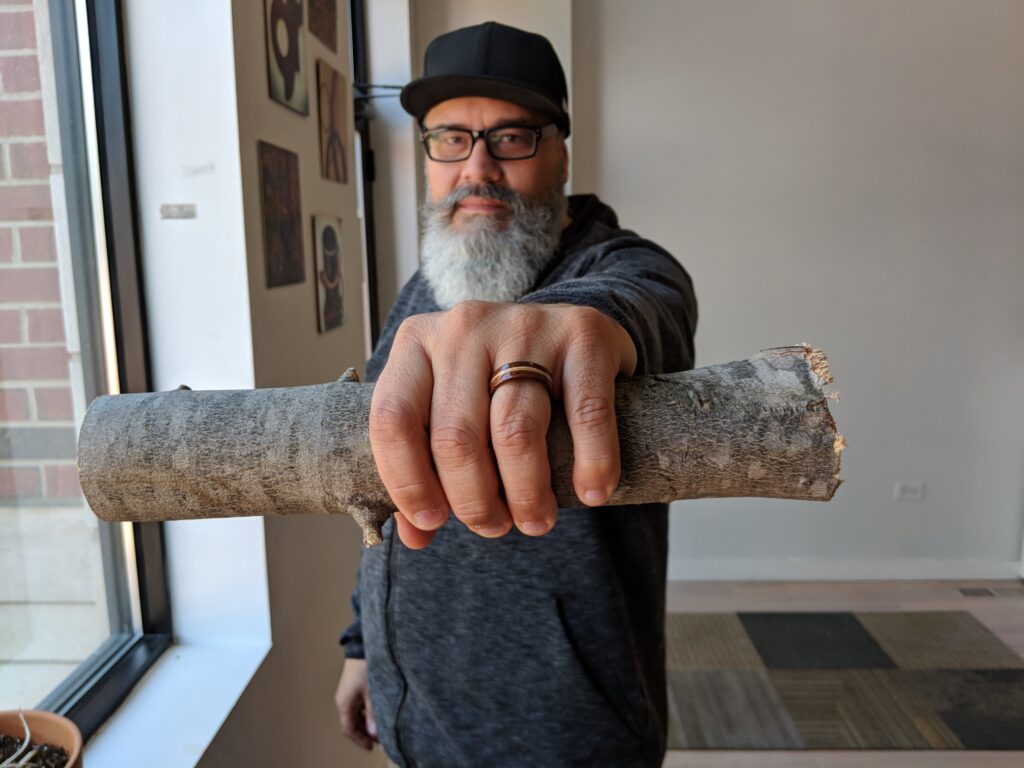
The studio’s custom work often began with the material itself. Salvaged wood, unusual species, metal, mineral and stone inlays, and customer-supplied materials allowed the ring to carry a history beyond its function. The point was not simply to make wood imitate conventional jewelry, but to let the material remain visible and meaningful inside an object made to be worn every day.
Archival catalogs from this period document experiments with rosewood, bogwood, kauri, turquoise, concrete, sand, salvaged silver, and other combinations. That material vocabulary later continued into the broader Gustav Reyes studio practice.
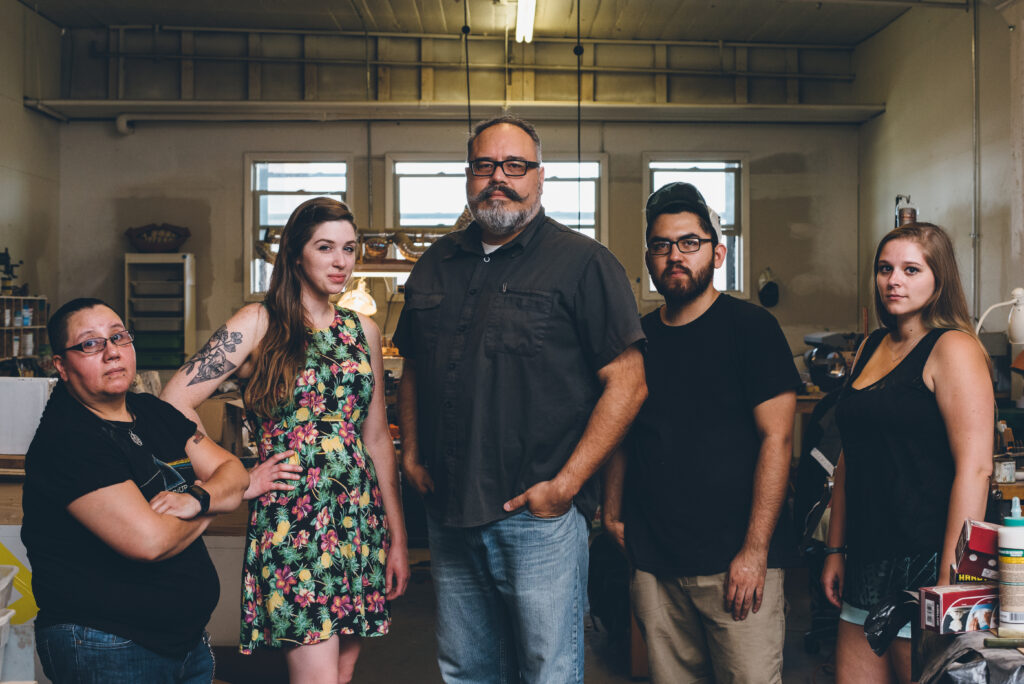
As demand grew, the work expanded beyond a single maker at a bench. The studio developed repeatable processes for custom orders, sizing, material preparation, finishing, documentation, communication, packing, and shipping. That infrastructure made it possible to handle a large volume of individual commissions while preserving the material and personal distinctions that made each ring specific.
The studio period was commercial, but it was also formative. It taught the practice how to move between handwork and systems, between one-off requests and repeatable methods, and between intimate objects and the larger structure required to make them consistently.
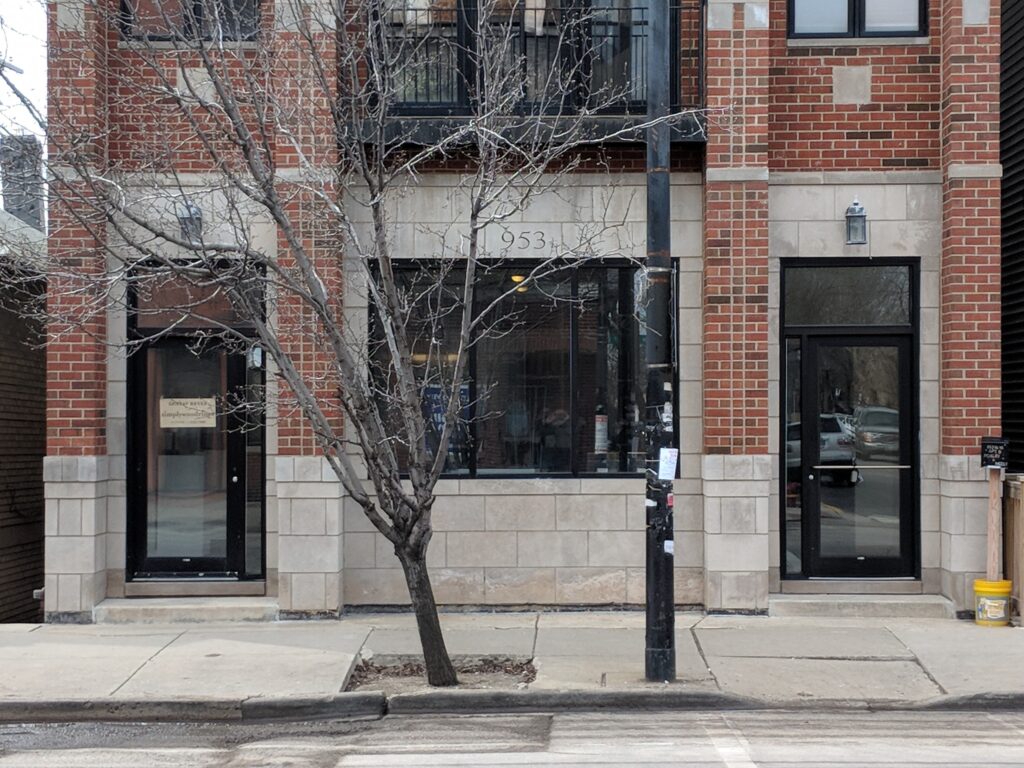
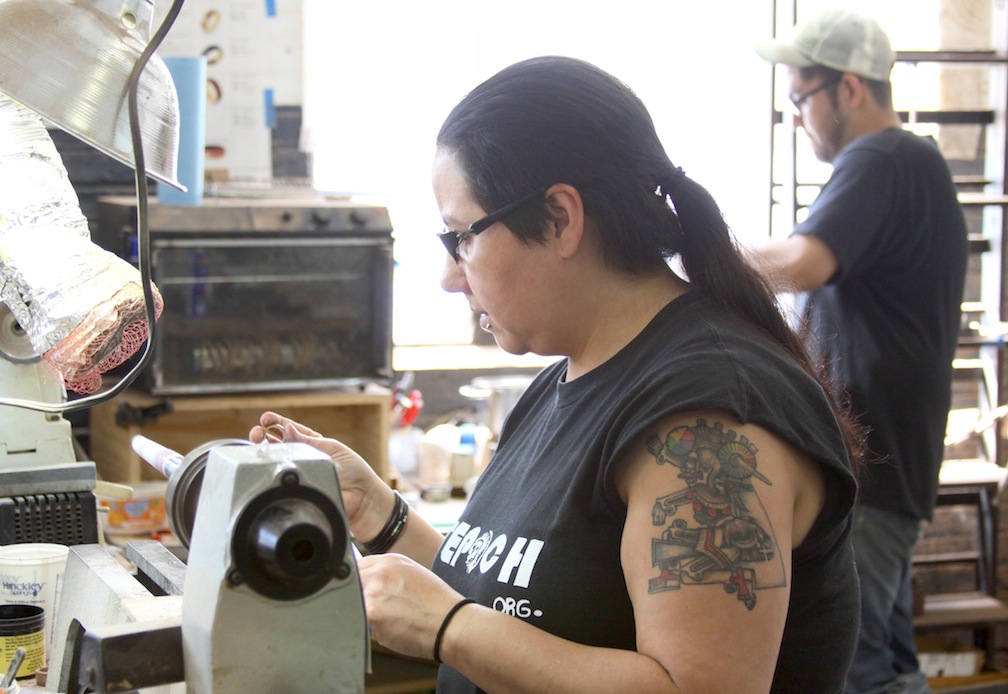
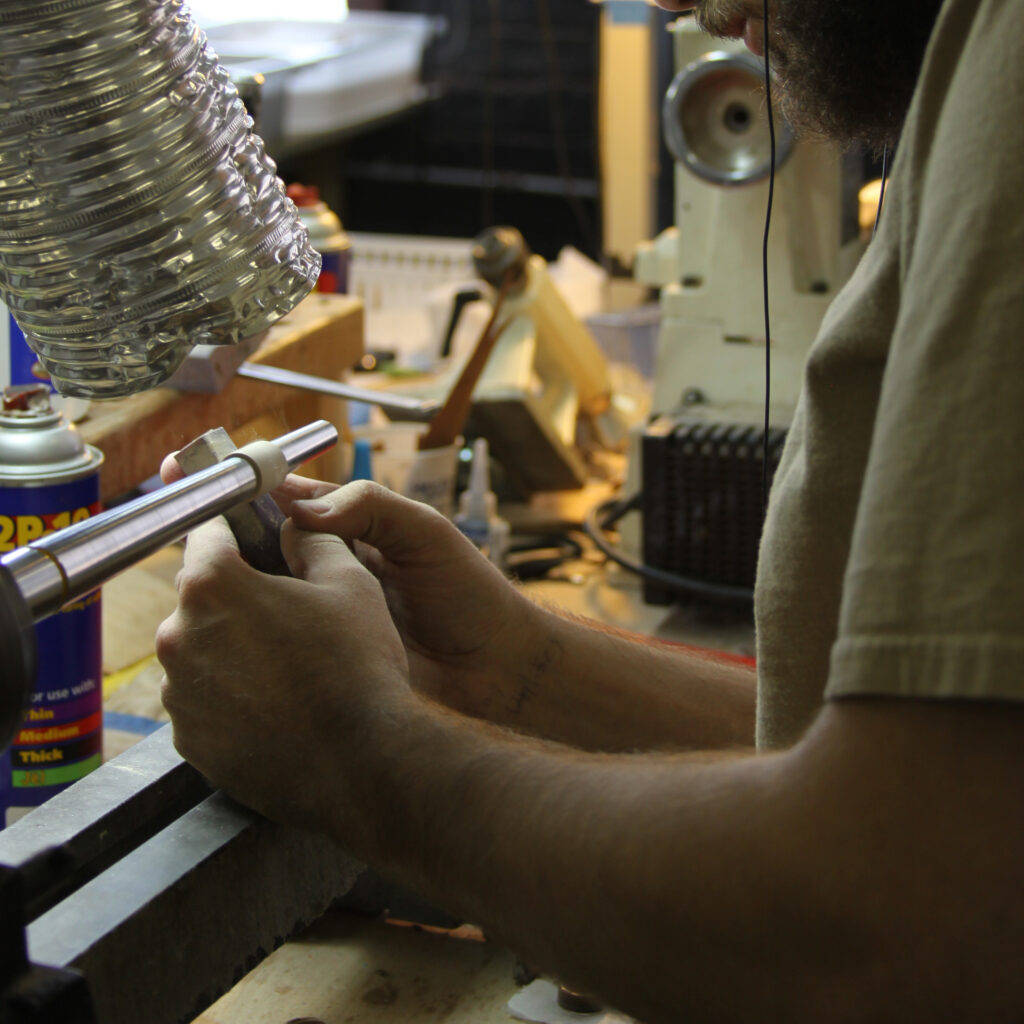
Archival drawings and bench photographs show how individual commissions moved from conversation into specifications, material choices, sketches, ring blanks, turning, fitting, inlay, and finishing. Notes record widths, sizes, wood species, metal, stones, and sometimes highly personal source materials. The drawings were working documents rather than presentation pieces: a way to translate a story into something that could be made accurately by hand.
That process joined sentiment to structure. A customer’s piece of wood, a salvaged object, or a particular stone could become part of the ring, while the studio still had to solve proportion, durability, comfort, and repeatability. The personal and the technical were never separate problems.
Production did not stop experimentation. Repetition made differences easier to see: how species behaved, how laminations moved, how narrow inlays changed a band, how finish altered depth and color, and how much structure could be removed before the object stopped working. The ring format became a disciplined place to study proportion, durability, surface, and the meeting of materials.


Alongside the wedding-ring business, the same questions were moving outward into bracelets, brooches, neckpieces, lighting, furniture, and other bent-wood forms. The separation between Simply Wood Rings and the Gustav Reyes studio was therefore not a clean break between commerce and art. It was a gradual widening of scale, purpose, and language.
The Simply Wood Rings business closed in 2018. What remained was a deep working knowledge of wood, custom collaboration, material memory, and studio systems—along with a desire to return more fully to one-of-a-kind and exploratory work.